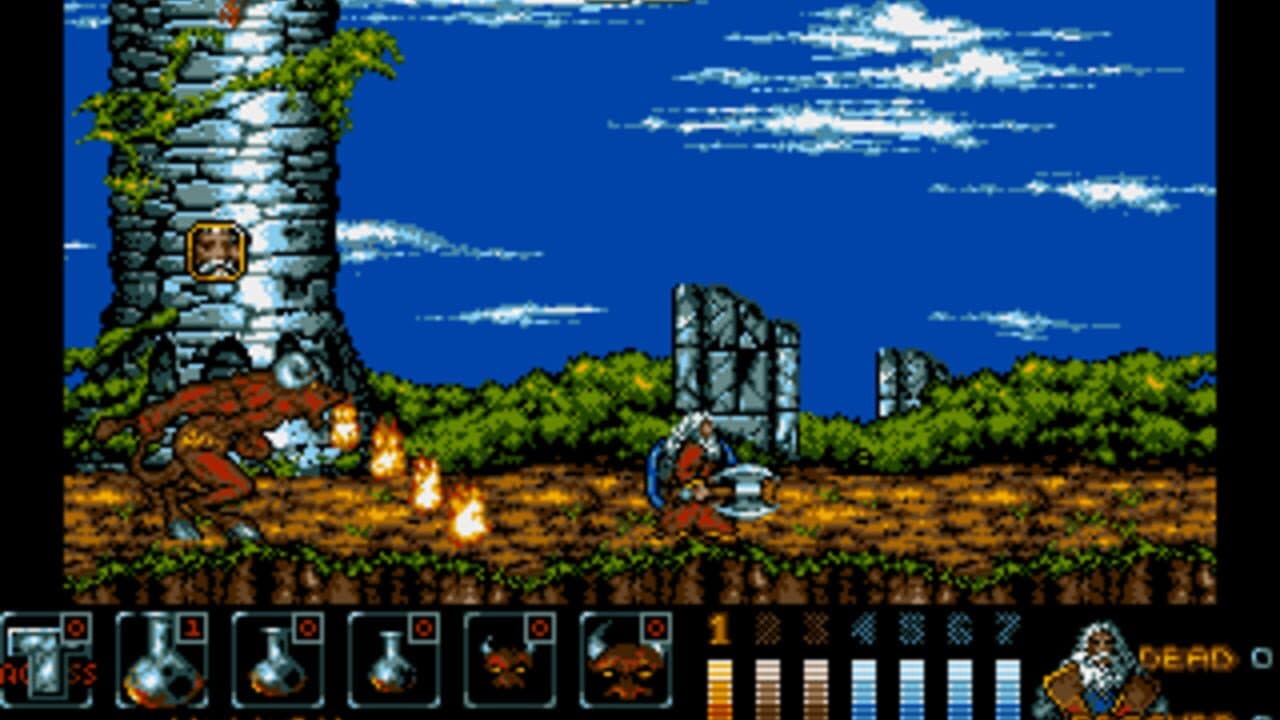
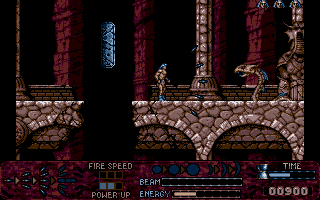
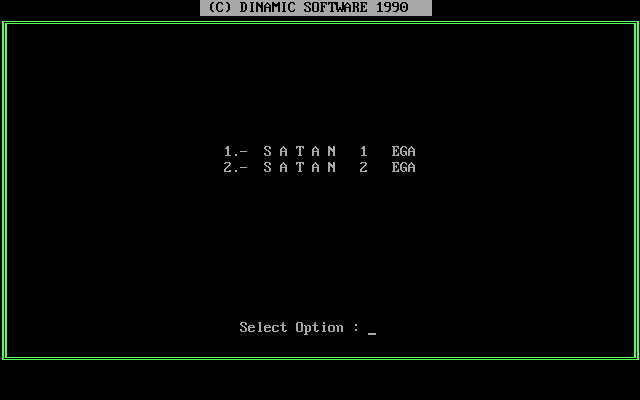
Anjana Soft, a one-time alias of the programming group Arcadia Soft, emerged in the late 1980s, primarily recognized for the development of the game "Satan," which was published by Dinamic in 1989. This project marked a significant milestone for the group, showcasing their programming prowess and creativity in a rapidly evolving gaming landscape. Key personnel from Arcadia Soft, including talented programmers and designers, contributed to the unique vision behind "Satan," which combined engaging gameplay with innovative design elements. The game itself became notable for its challenging mechanics and atmospheric presentation, leaving a lasting impression on players. Anjana Soft's influence on the gaming industry, though limited to this singular project, can be seen in its contributions to the action-adventure genre, pushing the boundaries of what was possible in game design at the time. The studio primarily focused on creating engaging gameplay experiences, utilizing the technology available in the late '80s. While Anjana Soft did not accumulate a vast array of awards, "Satan" received recognition for its creativity and execution, solidifying its place in the history of early video games.
Anjana Soft, a one-time alias of the programming group Arcadia Soft, emerged in the late 1980s, primarily recognized for the development of the game "Satan," which was published by Dinamic in 1989. This project marked a significant milestone for the group, showcasing their programming prowess and creativity in a rapidly evolving gaming landscape. Key personnel from Arcadia Soft, including talented programmers and designers, contributed to the unique vision behind "Satan," which combined engaging gameplay with innovative design elements. The game itself became notable for its challenging mechanics and atmospheric presentation, leaving a lasting impression on players. Anjana Soft's influence on the gaming industry, though limited to this singular project, can be seen in its contributions to the action-adventure genre, pushing the boundaries of what was possible in game design at the time. The studio primarily focused on creating engaging gameplay experiences, utilizing the technology available in the late '80s. While Anjana Soft did not accumulate a vast array of awards, "Satan" received recognition for its creativity and execution, solidifying its place in the history of early video games.