Développeur principal

Red Orb Entertainment6 jeux en portefeuille
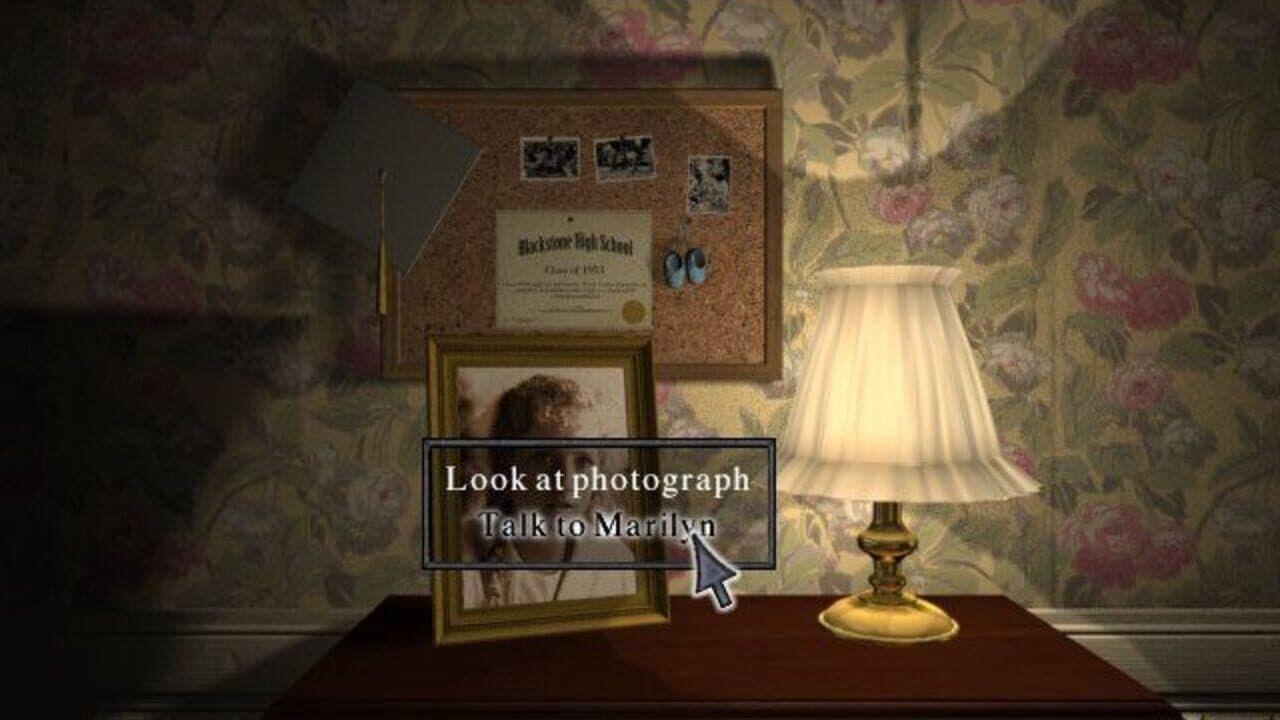
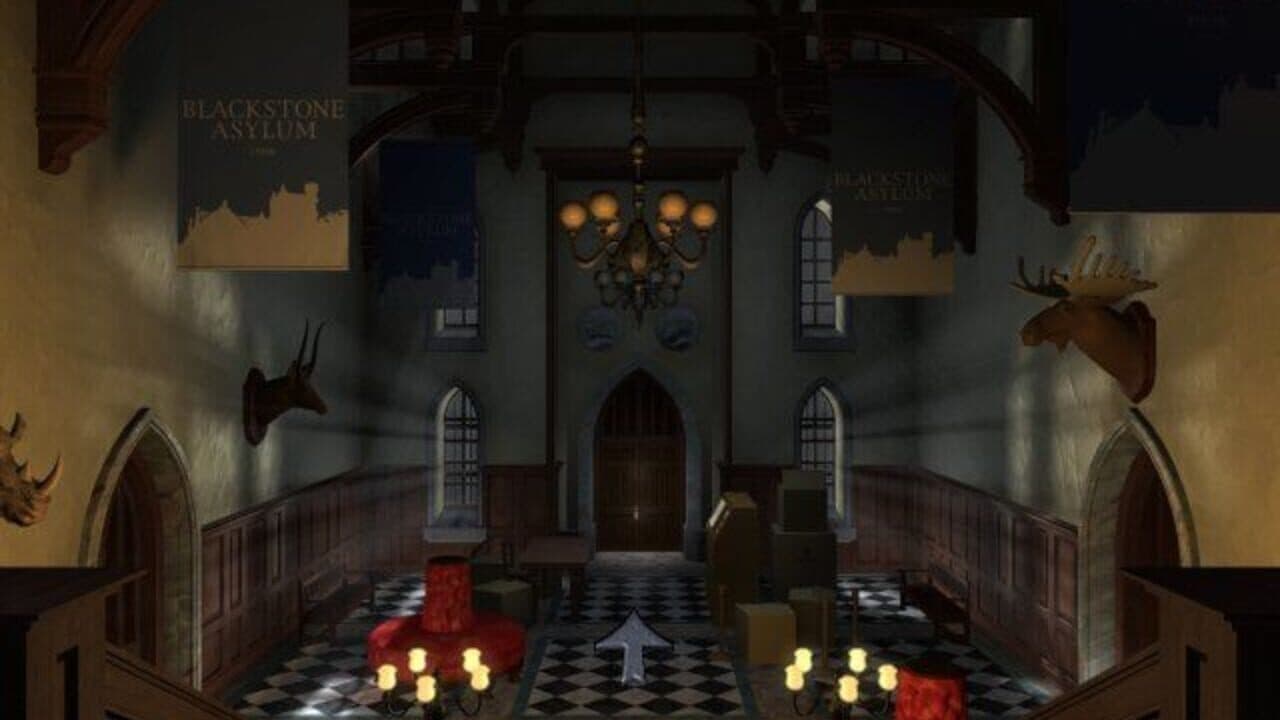
Red Orb Entertainment, founded in the mid-1990s, emerged as a notable player in the adventure and strategy game genres. The studio gained significant recognition with the release of "Myst" in 1993, which became one of the best-selling PC games of all time, followed by its sequel, "Riven: The Sequel to Myst," in 1997. These titles not only set new standards for graphic adventure games but also showcased the potential of immersive storytelling and puzzle-solving in gaming. Key personnel at Red Orb included visionary founders and creative directors who played pivotal roles in shaping the studio's identity. Their expertise in narrative design and visual artistry contributed to the studio's reputation for high-quality game development. In addition to the "Myst" series, Red Orb developed several other notable titles, including "Take No Prisoners," "Warbreeds," and "John Saul's Blackstone Chronicles: An Adventure in Terror." These games further diversified their portfolio, exploring various gameplay mechanics and themes. Red Orb's influence on the gaming industry is evident in its pioneering use of pre-rendered graphics and intricate world-building, which inspired many subsequent adventure games. The studio's focus on narrative-driven experiences and atmospheric environments has left a lasting impact on the genre. Specializing primarily in adventure and strategy games, Red Orb also explored elements of horror and fantasy in their projects. Their commitment to innovative gameplay and storytelling has garnered them a dedicated fanbase. Throughout its history, Red Orb Entertainment has received numerous awards and accolades, particularly for "Myst" and "Riven," which are often cited in discussions of the greatest video games of all time. Their contributions to the gaming landscape continue to be recognized and celebrated.